

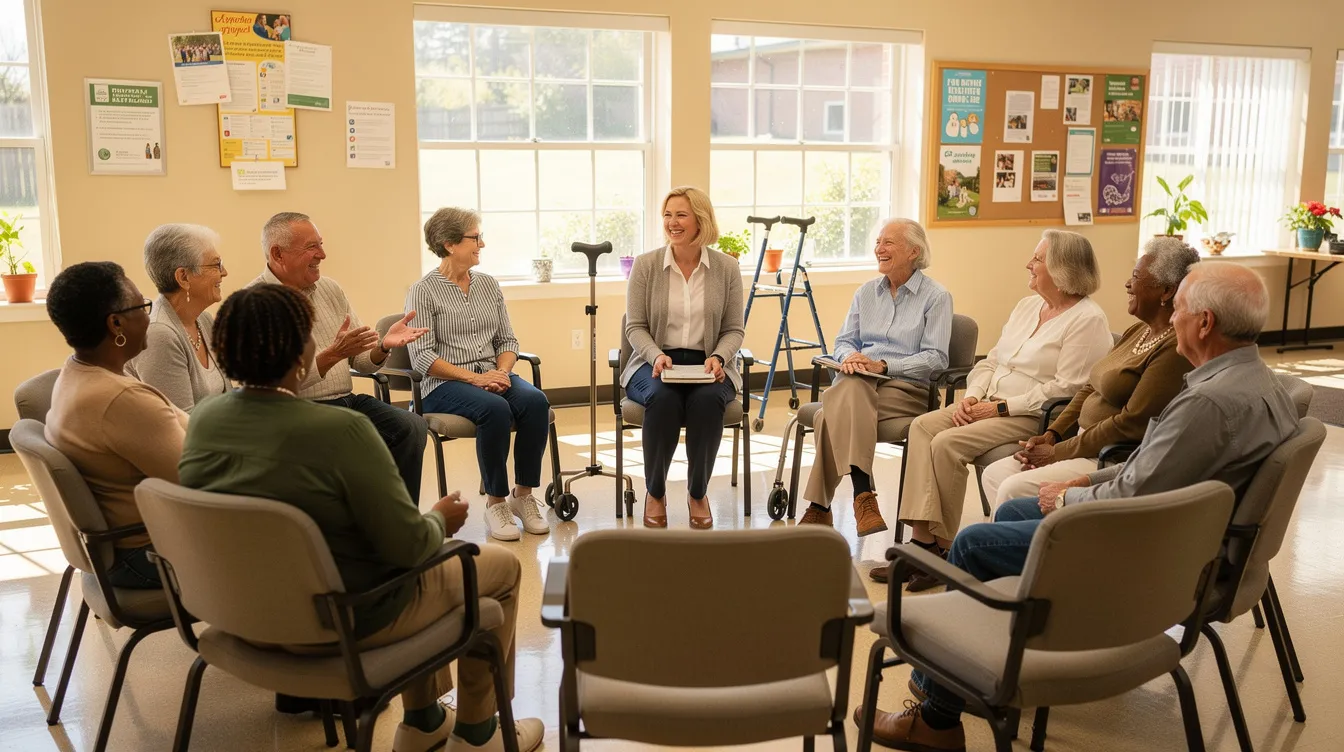
Aging in 2026 often means more time at home—but it certainly doesn’t mean less need for friends, purpose, and fun. Whether your loved one lives independently, with family members, or in senior living communities, regular social connections remain essential for both mental and physical health. The good news? Socialization doesn’t require themed parties or crowded events. Small, consistent interactions like a weekly phone call, a morning walk with a neighbor, or a game night with friends can make a meaningful difference.
What you’ll learn in this article:
- How social isolation affects overall health and cognitive function in older adults
- Community-based options like senior centers, libraries, and religious organizations
- Home and hobby activities for seniors with limited mobility
- Physical and outdoor social activities adapted for various ability levels
- Purpose-driven opportunities through volunteering and mentoring
Understanding Social Isolation in Older Adults
Social isolation is the objective lack of regular contact with others, while loneliness is the subjective feeling of disconnection. A widowed 78-year-old living alone in a suburb might stay connected through weekly calls and community events—and feel content. Meanwhile, someone in assisted living communities surrounded by residents might still feel profoundly lonely.
Key drivers of isolation include:
- Retirement removing daily workplace interactions
- Bereavement, especially losing a spouse after decades together
- Driving cessation limiting access to local attractions and events
- Mobility issues making outings feel exhausting
- Family living far away, reducing spontaneous visits
- Technology gaps preventing participation in online platforms and video calls
The Health Impact of Isolation and Loneliness
Research consistently links chronic loneliness to serious health consequences. Isolated seniors face higher risks of depression, accelerated cognitive decline, heart disease, and even early mortality.
- Chronic loneliness can be as harmful as smoking approximately 15 cigarettes daily
- Strong social ties lead to better medication management and healthier sleep patterns
- Regular social interaction helps seniors stay sharp and maintain identity beyond illness
- Having something to look forward to reduces stress and supports mental health
- Feeling useful and needed protects against hopelessness and apathy
Warning Signs a Senior May Be Socially Isolated
Watch for these observable and emotional clues:
- Rarely leaving home or declining invitations to community events
- Neglecting personal hygiene or household upkeep
- Unopened mail piling up or missed medical appointments
- Empty social calendars with no recent photos featuring new friends or family
- Frequent statements like “I don’t want to be a burden” or “Nobody needs me anymore”
- Irritability, hopelessness, or talking mostly about the past
- Refusing rides or avoiding phone calls from loved ones
Gently ask about daily routines and feelings during vulnerable times—evenings, weekends, and holidays often feel loneliest.
Community-Based Socialization Activities for Elderly Adults
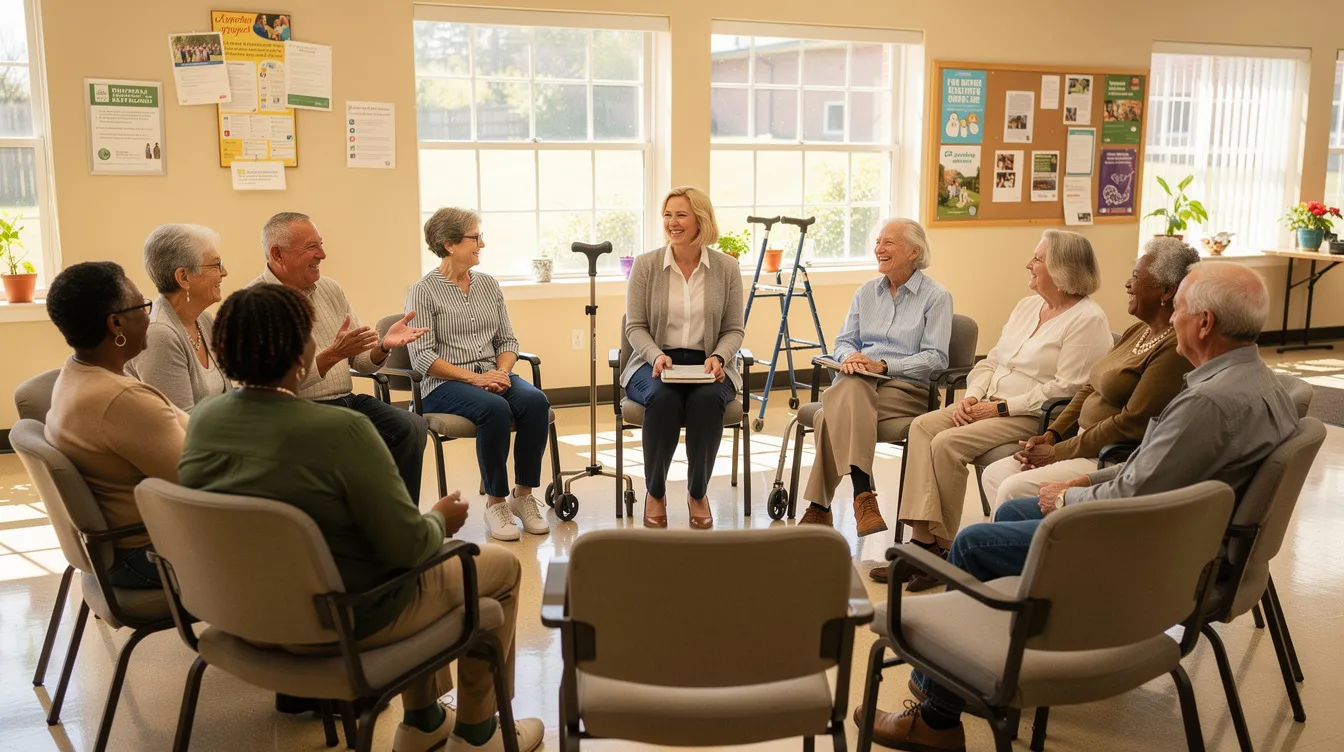
Local community options—from the senior center to the local library—are often free or low-cost and specifically designed for older adults. Most offer transportation assistance, daytime scheduling, and programs adapted for different mobility levels.
Senior Centers, Adult Day Programs, and Social Clubs
A typical senior center offers weekly schedules combining physical activity, learning, and social connection:
- Monday morning coffee hour for casual conversation
- Wednesday bingo providing friendly competition and meaningful conversation
- Friday line dancing or group exercise classes adapted for all abilities
- Monthly birthday lunches and guest speakers on health topics
Adult day programs provide structured weekday activities with shared meals, arts and crafts, and transportation for seniors needing more support. To find options, contact your local Area Agency on Aging, explore nonprofit senior housing programs for financially needy elders, or check municipal websites using your zip code.
Faith, Cultural, and Neighborhood Gatherings
Religious organizations frequently host senior-friendly programming:
- Weekly luncheons after services at churches, synagogues, mosques, and temples
- Discussion circles, choir rehearsals, and holiday celebrations
- Block association meetings and seasonal community events like July 4th picnics
- Culturally specific clubs (Italian social clubs, veterans’ groups, retired teachers’ associations)
Encourage taking simple roles—greeting attendees or helping set tables—to naturally spark conversation.
Libraries, Recreation Centers, and Local Events
The local library offers more than books:
- Morning book club meetings for book lovers seeking intellectual engagement
- Computer basics classes helping seniors manage stress around technology and discover popular websites for seniors
- Local history talks and film afternoons
Recreation centers provide tai chi in the park, senior swim times, and indoor walking groups. Check city websites or printed calendars at grocery stores for farmer’s markets, outdoor concerts, and museum free days with senior discounts.
Home- and Hobby-Based Social Activities for Seniors
Not all socialization requires leaving home. These ideas suit seniors with limited mobility, chronic illness, or anxiety about crowds—and help family members structure meaningful visits.
Arts, Crafts, and Creative Projects
Low-barrier artistic endeavors provide a wonderful way to stay engaged:
- Watercolor painting, adult coloring books, or making greeting cards
- Knitting circles with neighbors or fellow senior community residents
- Seasonal projects: holiday ornaments, gardening markers, photo calendars
Consider art class options at a local community college or senior center for those who enjoy learning new skills in group settings.
Book Clubs, Reading Circles, and Lifelong Learning
A small book club meeting monthly—in person, by phone, or via video—keeps minds active. Alternatives for those with vision issues include audiobooks and podcast discussion groups. Many seniors enjoy field trips to lectures or continuing education courses covering history, photography, or other interests.
Games, Puzzles, and Friendly Competitions
Game nights offer a fantastic way to combat loneliness, especially when you incorporate engaging games that sharpen seniors’ minds and social games for seniors to enjoy with friends:
- Board games like Scrabble, dominoes, bridge, and Mahjong
- Jigsaw puzzles assembled together at a shared table
- Simple motion-based video games (virtual bowling) encouraging gentle movement
The goal is fun and laughter—not competitive stress. Rotate hosts weekly with light snacks.
Technology-Based Social Connections
Tablets and smartphones help seniors stay connected when travel is difficult, especially when families choose the best tablets for seniors with large screens and simple controls:
- Regular video calls with family (Sunday evening chats work well)
- Virtual dance classes, religious services, or exercise programs
- Age-friendly online platforms connecting seniors with shared hobbies
Create large-print guides and practice one app at a time. Starting with one weekly online activity makes a real difference.
Physical and Outdoor Social Activities for Elderly People
Movement feels more enjoyable with company. Always adapt activities to ability levels with options for rest and hydration, and consider how holiday travel tips for seniors and senior-friendly travel apps can make active outings and longer trips safer and more enjoyable.
Walking Groups and Gentle Exercise
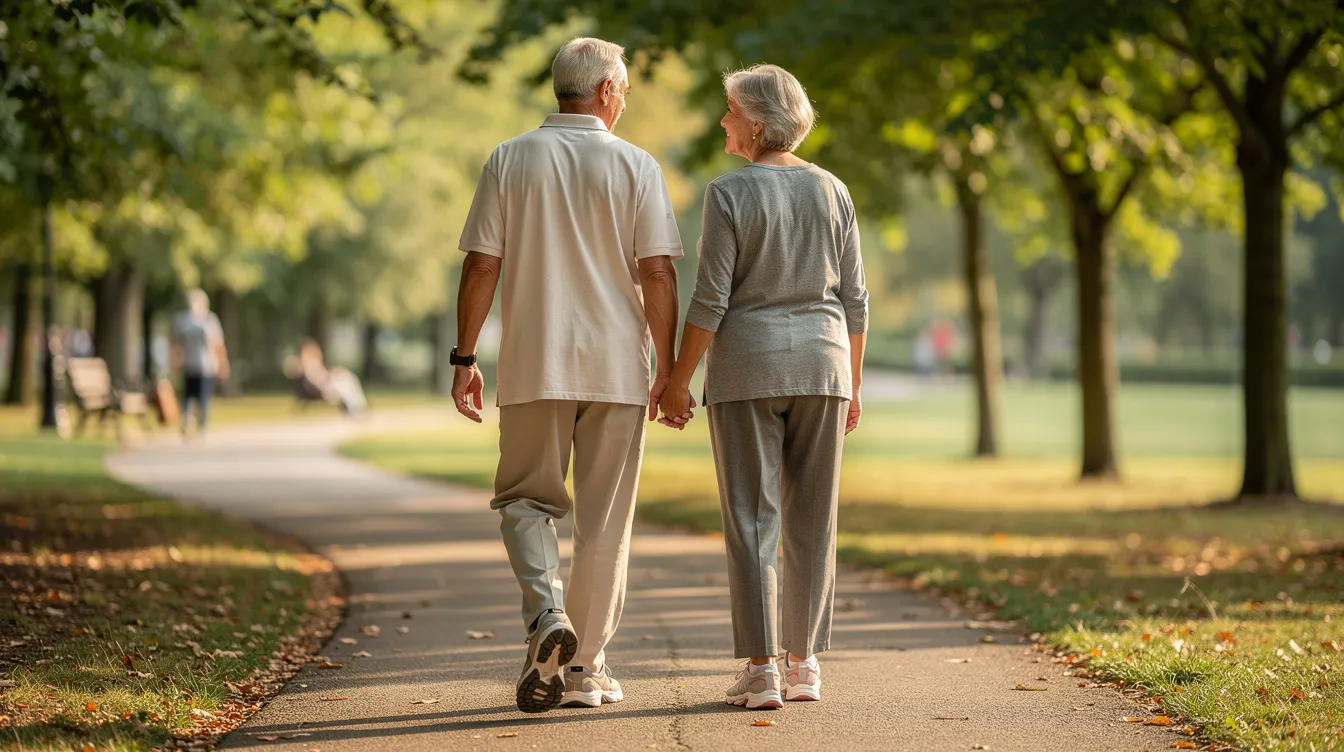
Form or join a walking group meeting 2-3 times weekly at safe locations—local park paths, indoor malls, or community tracks. Benefits include weight-bearing exercise for bones and a predictable social date. Those using walkers can participate in “roll and stroll” outings. Chair yoga and balance classes through senior centers provide structured alternatives.
Gardening, Nature Time, and Outdoor Clubs
Even small-scale gardening in outdoor spaces—container herbs or raised beds—brings neighbors together. Try weekly garden meetups, seed exchanges, or bird-watching groups. Simple rituals like morning coffee on a porch with a neighbor count as valid socialization.
Dancing, Music, and Movement to Music
Social dance options adapted for seniors include line dancing, ballroom basics, and chair dancing. Community sing-alongs and live music afternoons provide an enjoyable way to spend time together. Even tapping feet or gentle swaying creates joyful shared experiences. Try themed events featuring music from specific decades to spark reminiscence.
Purpose-Driven Social Activities: Volunteering, Helping, and Sharing
Many older adults feel happiest when needed and contributing. Purpose-based activities offer structure and meaningful contact adaptable to nearly every ability level.
Volunteer Roles Suitable for Seniors
Realistic volunteer opportunities include:
- Greeting at hospitals or sorting donations at food banks
- Helping at the local animal shelter
- Making reassurance phone calls to other isolated seniors
- Supporting local charities with administrative tasks
Start with 1-2 hours weekly. Contact local volunteer centers or religious organizations for senior-friendly roles.
Mentoring, Teaching, and Sharing Skills
Seniors can tutor children, help teens with history projects, or teach traditional recipes. Life story workshops and recording oral histories for family archives honor accumulated wisdom. Many schools welcome senior volunteers as classroom helpers or guest speakers. Learning a new hobby like a musical instrument alongside younger learners creates mutual benefit.
Intergenerational and Family-Based Activities
Specific, repeatable ideas strengthen bonds:
- Weekly family dinners or Sunday pancake breakfasts
- Game afternoons with grandchildren
- Teens teaching smartphone skills while seniors share life wisdom
- Adopt-a-grandparent initiatives through local schools
Short, frequent visits (30-60 minutes) often prove more enjoyable than exhausting full-day events.
Putting It All Together: Planning a Realistic Social Calendar
Effective socialization activities for elderly people work best when intentional but not overwhelming. Start by listing current routines, then add 1-2 new activities:
Sample weekly rhythm:
- Monday: Phone call with a friend
- Wednesday: Senior center exercise class
- Friday: Walk with a neighbor
- Sunday: Family video chat
Build in rest days and respect energy levels. The many benefits of social activities for seniors compound over time—pick one idea from this article and put it on the calendar today. Small steps create lasting transformation in overall well being and help any senior stay active, engaged, and connected.